
Creative Leadership on Multilingual Rights Outreach
As a member of a cross-agency team at the U.S. Department of Labor, I co-led the creative strategy behind migrantworker.gov, a multilingual digital platform built to put clear, usable rights information directly in the hands of migrant workers, especially female migrant workers, and their communities.
This project isn’t just about website production — it’s a case study in data-driven outreach, audience-first design, and strategic resource allocation. While another team built the platform itself, my creative team was tasked with driving real awareness and meaningful engagement among workers who are often overlooked in traditional communications.
Note: The current iteration of the site is a stripped-down version due to the current administration.
Video Strategy: Video Strategy Built for Hard-to-Reach Audiences
Main audience: Migrant workers seeking clear, accessible information about their rights and protections.
Secondary audience: Their families, particularly children and younger relatives, who are more likely to encounter and share video content through social media platforms.
We developed a mobile-forward video series optimized for the social platforms migrant workers and their networks use most. Key innovations included:
Culturally relevant, conversational format: Each video centered on one core question, presented in a natural Q&A style to build clarity and trust, a sharp break from dense, generic government messaging.
Platform-native design: Vertical format optimized for TikTok/Reels/Shorts ensured maximum visibility where our audiences already spend time.
Linguistic strategy: Spanish was prioritized as the primary language, with English included to extend reach.
This strategy wasn’t guesses — it was guided by engagement data, listening sessions, and real-world behavior patterns.
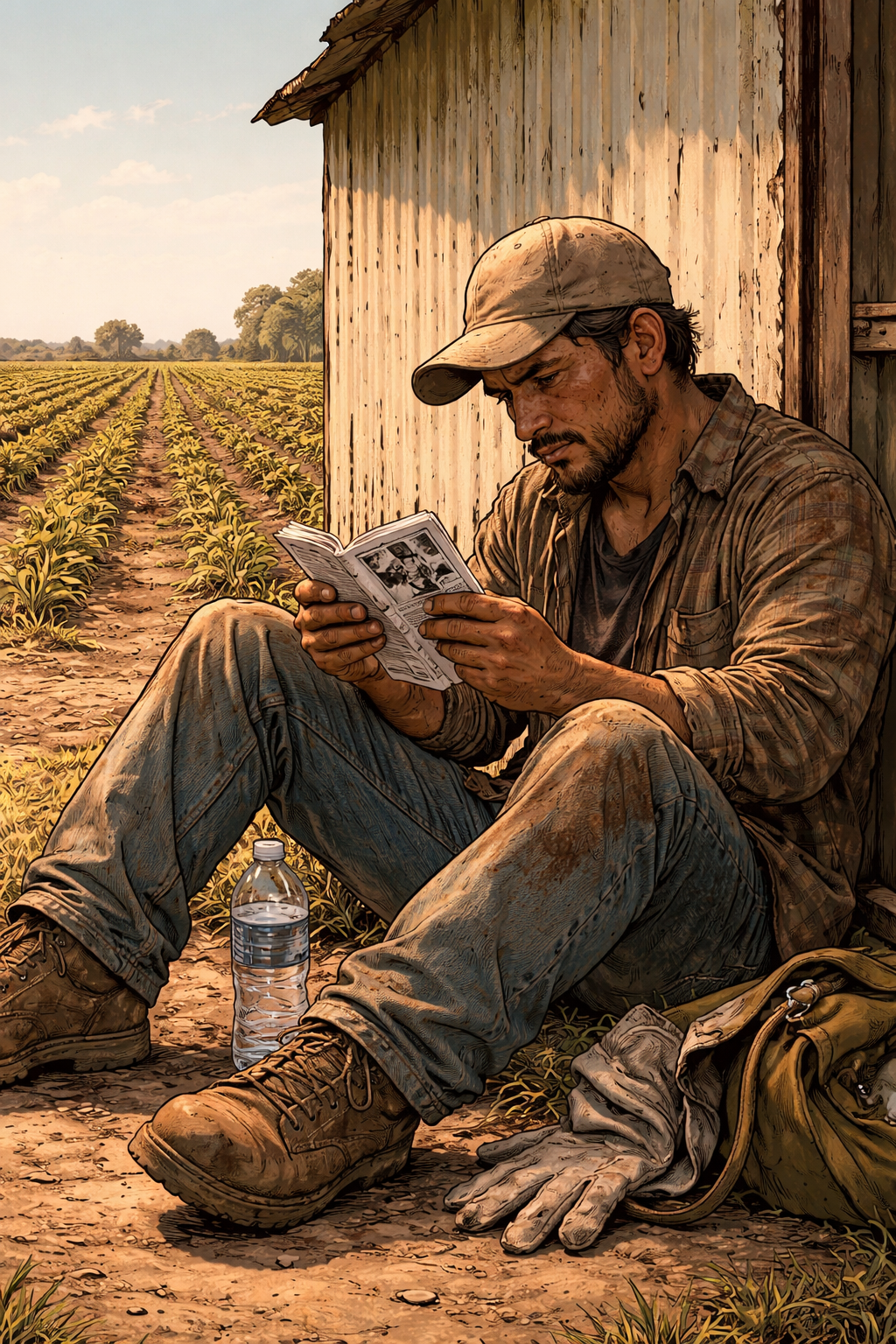
My experience as a social media curator at Upworthy taught me that on social platforms, telling a good story is only half the job—the other half is making sure people see it. Below are examples of the care we put into crafting compelling, culturally appropriate thumbnails to help this project connect with its intended audience.

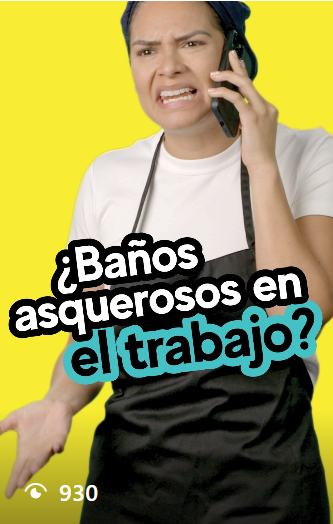
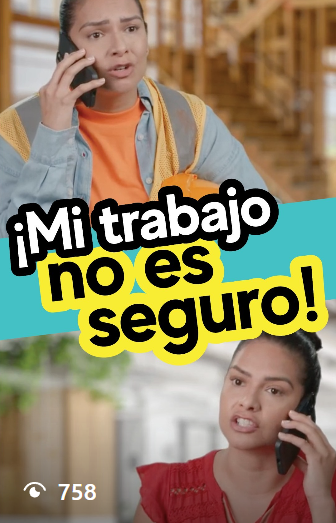
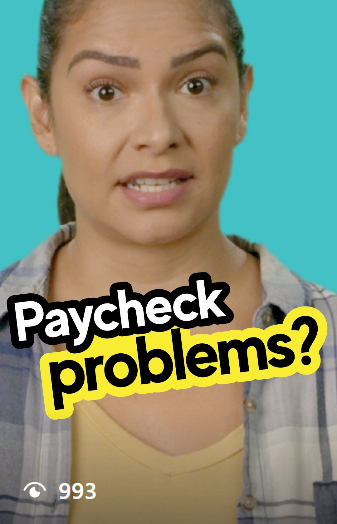
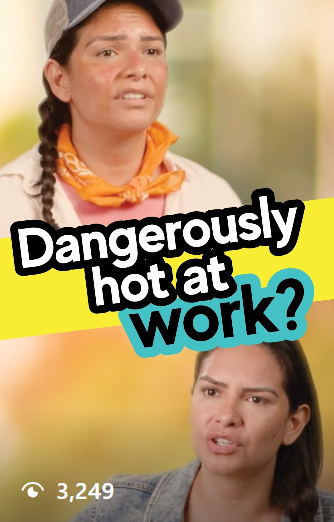


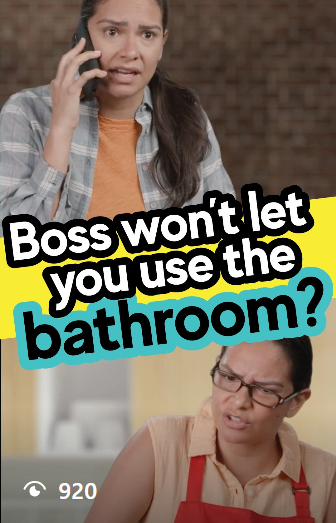


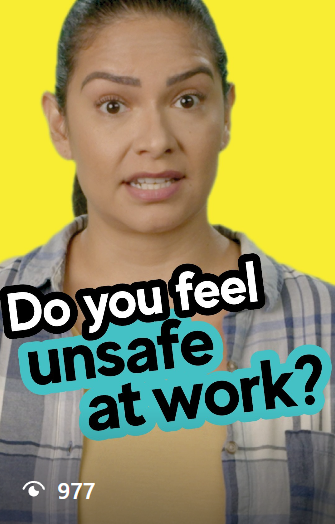


Impact insight: After 2 “seasons” our social media data called for a shift. We could now reuse the videos, since the analytics showed our 16-video series had reached its peak traffic and engagement goals. We pivoted away from producing more videos and redirected resources to formats advocates identified as equally or more effective, showing that outreach at this scale needs to adapt to what workers actually use and trust.
Bridging the Gap: From Digital to Physical Outreach
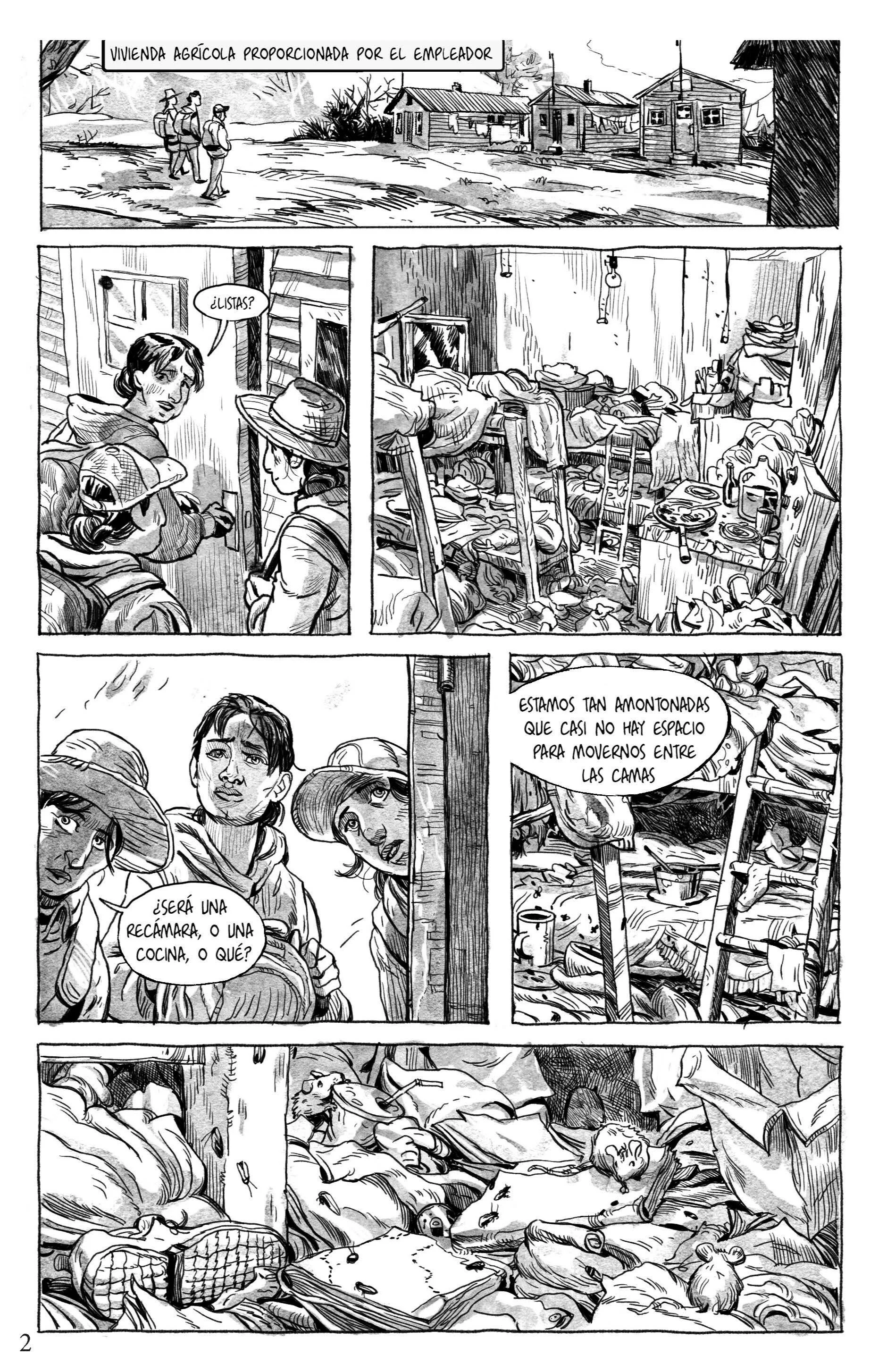
We surfaced a critical insight early in outreach: even well-designed mobile content can’t reach someone without reception or time to watch videos in the field. Through direct conversations with worker advocates, we learned that print and object-based media are meaningful tools in community settings.
In response, we developed:
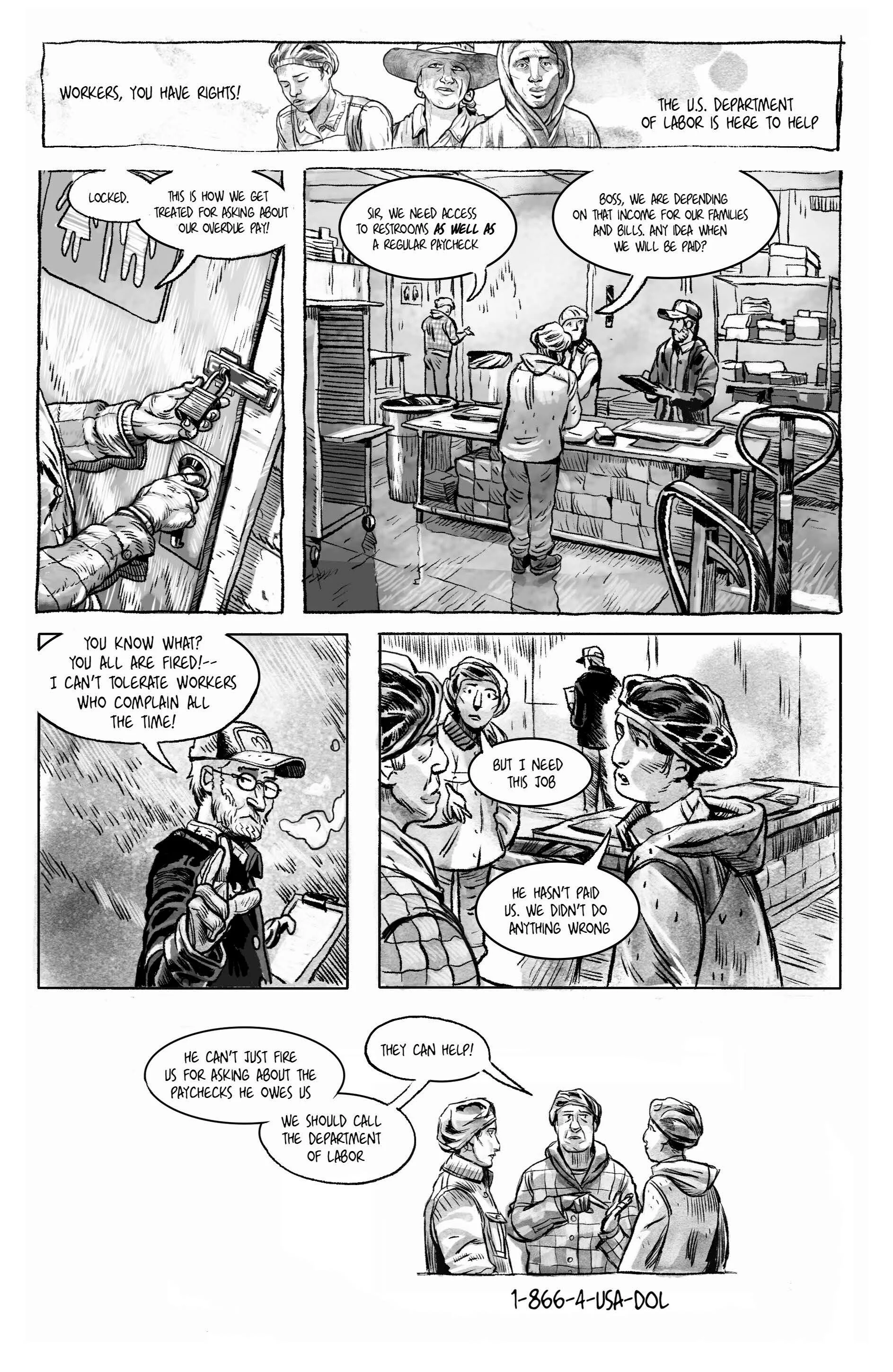
A mini comic book with hand-illustrated, rights-based information that was portable, shareable, and easy to reference in group discussions or breaks.
We also produced pocket-size rights cards, that delivered essential information in plain language and linked workers directly to migrantworker.gov via a QR code—designed for easy, offline distribution and later digital follow-up.
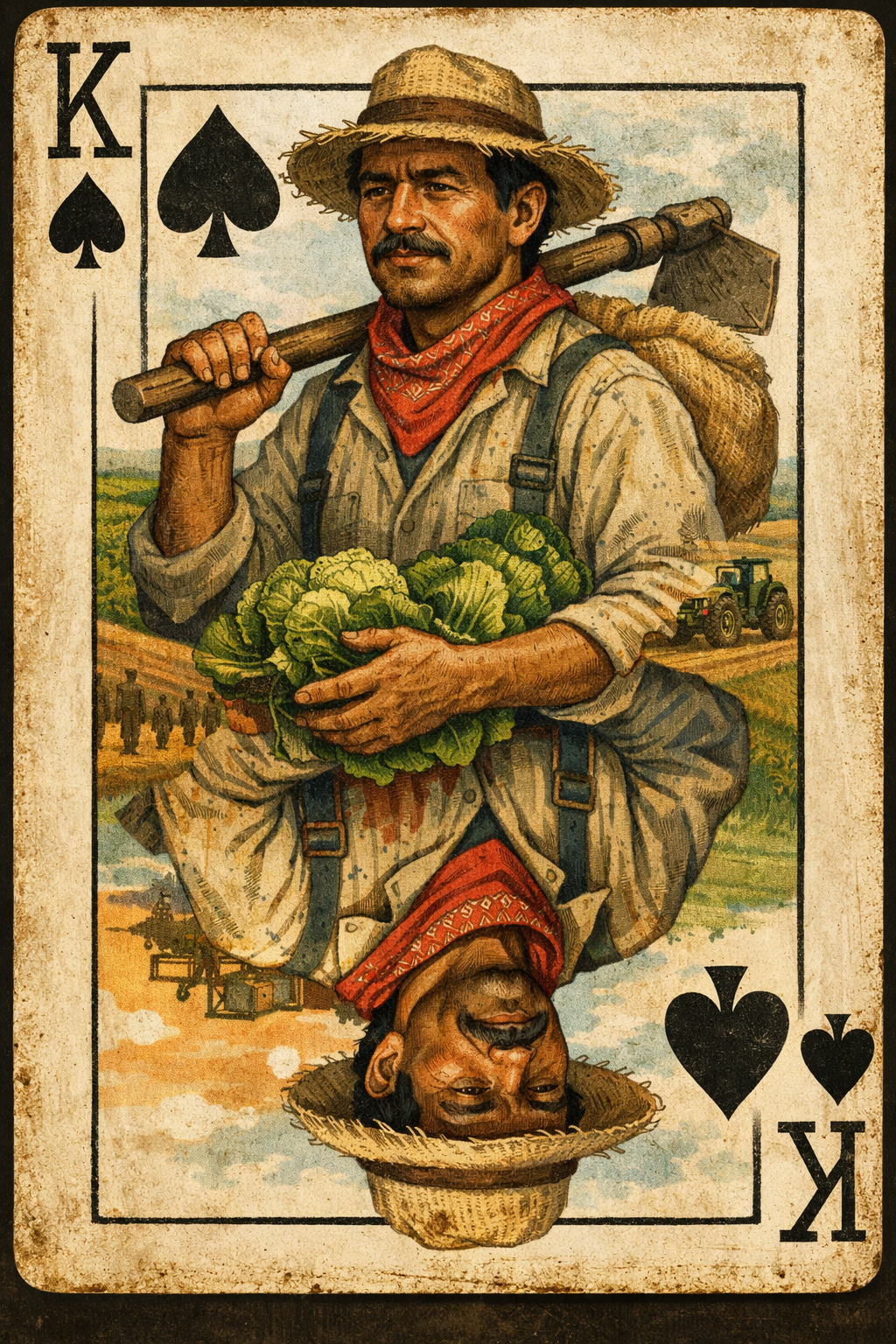
Before the current administration halted work on this project, we were preparing to launch Phase 3: a hand-illustrated deck of playing cards.
Each card would pair original artwork with practical information about migrant worker safety, labor rights, and available resources. The goal was simple but powerful: create an object people would pick up, use, and talk about—again and again—naturally opening the door to conversations about rights and protections many workers don’t realize exist.
The image shown here is an AI-generated mockup, created to illustrate the concept.
Overall, the migrantworker.gov project was a success. The website launched with a high-profile event at DOL headquarters, and our outreach materials—including the video series—were met with enthusiastic feedback from stakeholders. Their strong response led us to continue the series throughout the following year. In 2024, we printed over 10,000 copies of our mini-comic book, and other print products, in direct response to stakeholder requests, highlighting the demand for accessible, rights-based materials.